With COVID-19, more people are wearing masks to protect themselves and help control the spread. People are also wearing glasses more because the glasses offer an extra layer of protection against COVID-19 and help limit the touching of the eyes. But masks with glasses often cause fogging issues. So, how do we resolve this?
First, you can get some over-the-counter waxes and gels. Just make sure they are safe for eyeglass use. Things like RainX for car windshields should not be used. You may need to try different formulas, as we have found that one that works for one person’s body chemistry may not work as well for another person and vice versa. These are some of the options we have:

Hilco Fog Buster
Hilco Fog Buster: This comes in spray form or in one-time use disposable towelettes (sold in sets of 10).

Hilco Anti-Fog Combo Kit
Hilco Anti-Fog Combo Kit: This is a little more of a process to do, but it works a little better and lasts a little longer than the spray or towelettes.

Barracuda Defogger
Barracuda Defogger: This is more of a gel and tends to work better for swim goggles. It doesn't come with a cloth to clean off, so you'll need to provide your own if you go for this option.

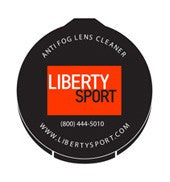
Liberty Sport Fog Cleaner
Liberty Sport Anti-Fog Lens Cleaner: This is a wax-based product. Rub on and wipe with a cloth. It does not come with a cloth, so you'll need a good microfiber lens cloth to use this one.
If making new prescription glasses, you can get a higher-end fog coating applied to the glasses when they are being made. This is good for those who live in cold climates and find that their glasses fog up when going inside/outside, or those who cook over heat and experience fogging while cooking. We have two brands: Optifog, made by Essilor. This includes a heavy-duty scratch coating with a 2-year warranty as well. IC No Fog by Icoat. This coating can be applied to most products, including sunglasses and bifocals, where the Optifog cannot. Both products require the coating to be "activated" every day or so. This is through the included lens cloths or gels. This just gets those molecules in the fog coating activated, but it is an extra step that we like to let people know about.
Airflow is also a key to preventing fogging. If you have nose pieces on your glasses, they may be able to be adjusted to sit farther from your face to allow a little more ventilation while wearing the mask. Having a tighter-fitting mask may also make it so there is a gap between the eyewear and the mask again to allow for some air circulation. Note: this may cause those with high prescriptions or progressive lenses to be looking at a different part of the lens, which may cause some distortion. You may have to hold your head differently if you do this.
Fogging happens more often with a change of body temperature or air temperature. Thus, you may notice more fogging outside or when walking because more body heat is being generated and there is a bigger difference between air and body temperature. Again, airflow helps, so if you move a little faster and generate a little more "wind", you may also have a better chance of having the glasses defog.
There have also been suggestions by medical professionals that regularly wear glasses to tape down the top of the mask or tighten the mask to limit the airflow going up towards the eyeglass lenses.
Thank you for helping to flatten the curve by wearing a mask. If you are still having fogging issues after trying the above, please feel free to reach out to us, and we can discuss your individual needs.