Vendor: Evil Eye
Type:
Evil Eye E606 Peaklite Ski Goggles


Vendor: Julbo
Type:
Julbo Launcher Snow Goggles


Vendor: Bolle
Type:
Bolle Blackridge Snow Goggles


Vendor: Smith
Type:
Smith Blazer Snow Goggles


Vendor: Smith
Type:
Smith 4D XL Mag Ski Goggles


Vendor: Julbo
Type:
Julbo Lightyear OTG Snow Goggles


Vendor: Bolle
Type:
Bolle Bedrock Plus Ski Goggles


Vendor: Evil Eye
Type:
Evil Eye E604 Peaksight Ski Goggles


Vendor: Julbo
Type:
Julbo Cyrius X Snow Goggles


Vendor: Evil Eye
Type:
Evil Eye E605 Peaksight CL Ski Goggles


Vendor: Bolle
Type:
Ski Goggle Prescription Adapter Universal Fit

Vendor: Bolle
Type:
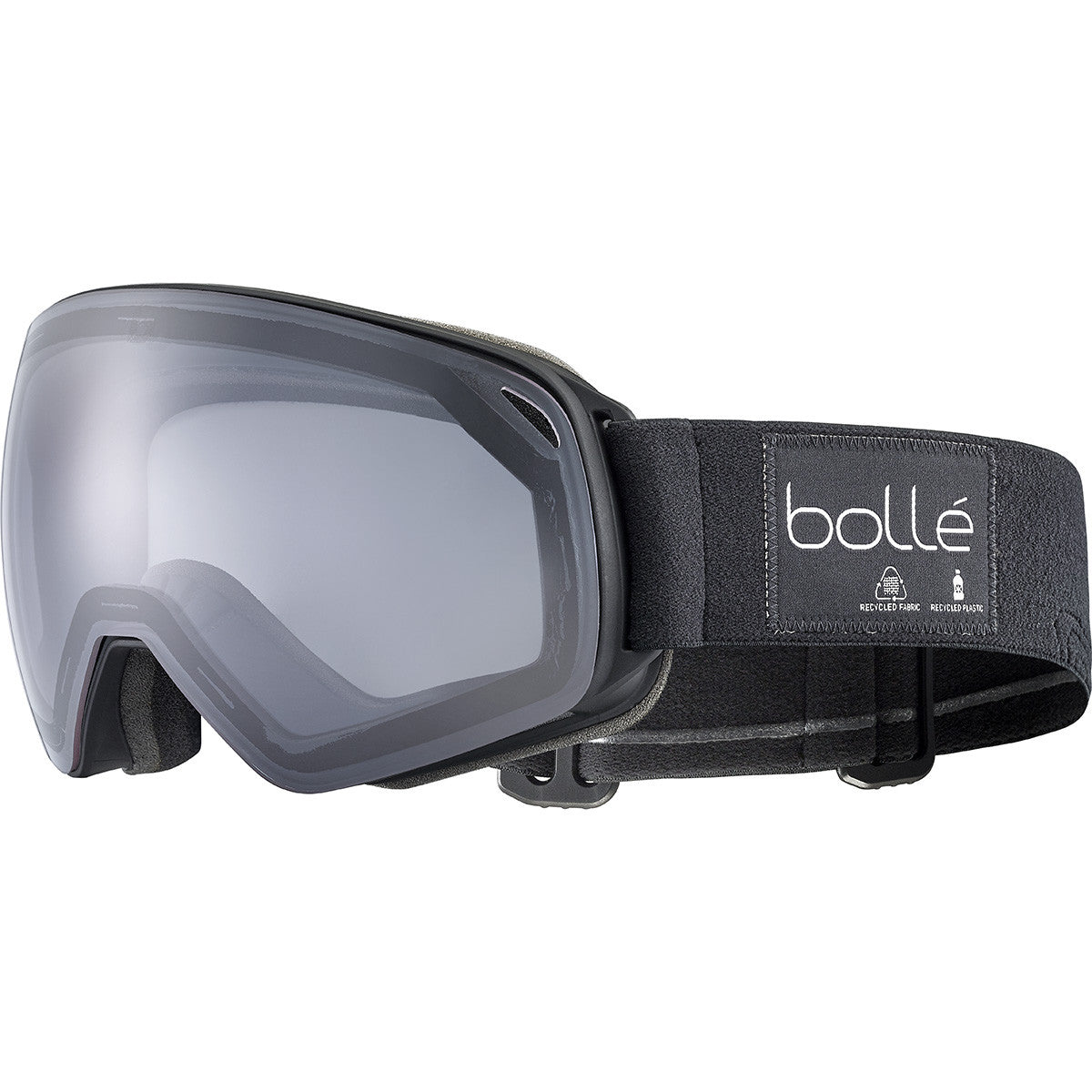
Bolle Eco Torus M Snow Goggles


Vendor: Bolle
Type:
Bolle Cascade OTG Ski Goggles


Vendor: Spy
Type:
Spy Optic Megalith Snow Goggles


Vendor: Spy
Type:
Spy Optic Marauder SE Snow Goggles


Vendor: Julbo
Type:
Julbo Razor Edge Snow Goggles


Vendor: Julbo
Type:
Julbo Lightyear Snow Goggles


Vendor: Rudy Project
Type:
Rudy Project Spincut Snow Goggles (OTG)


Vendor: Spy
Type:
Spy Optic Marauder Elite ECO Snow Goggles


Vendor: Smith
Type:
Smith Reason OTG (Over the Glasses) Snow Goggles


Vendor: Smith
Type:
Smith Sequence OTG (Over the Glasses) Snow Goggles


Vendor: Smith
Type:
Smith Squad Ski Goggles


Vendor: Smith
Type:
Smith Squad XL Ski Goggles


Vendor: Smith
Type:
Smith Skyline XL Ski Goggles (sale)


Vendor: Smith
Type:
Smith Squad Mag Ski Goggles


Vendor: Smith
Type:
Smith I/O XL Mag Ski Goggles


Vendor: Smith
Type:
Smith Cariboo OTG Snow Goggles


Vendor: Smith
Type:
Smith 4D Mag Ski Goggles


Vendor: Julbo
Type:
Julbo Cyclon Snow Goggles

Vendor: Adidas
Type:
Adidas SP0040 Ski Goggles SALE


Vendor: Bolle
Type:
Bolle Y7 OTG Ski Goggles


Vendor: Bolle
Type:
Bolle Mammoth Ski Goggles


Vendor: Bolle
Type:
Bolle Torus Snow Goggles
Men’s ski goggles and snowboard goggles are built for mountain conditions where changing light, glare, wind, and snow can affect comfort and visibility throughout the day. Sporteyes offers snow goggles in a fit range centered mostly on adult medium and adult large, along with a smaller selection of adult small sizes for shoppers who need a different fit profile.
Many styles in this category are prescription-compatible, making it a strong option for skiers and snowboarders who need vision correction on the mountain. Most prescription-ready models use an Rx insert setup, and a smaller number may use a full lens cut-into-shield configuration. OTG (over the glasses) ski goggles are also part of the assortment for those who prefer to wear goggles over glasses. Interchangeable lens options, and light changing lens options are available across many models as well, which can be useful when weather and light conditions change during the day.
FAQs
1. Which men’s ski or snowboard goggles should I choose for fit, comfort, and snow conditions?
Start with fit first, then narrow by lens setup and riding conditions. On the live page, adult medium and adult large make up most of the assortment, and there are 38 models marked with interchangeable lenses for changing light and weather.
2. Do these goggles work with prescription inserts or other prescription options?
Yes, many do. Most of the prescription-compatible models on the collection use Rx Insert, and there is also one Full Lens Cut into Shield option shown in the live filters. Sporteyes also has a separate post about ski goggles with prescription lenses built directly into the shield.
3. Are there OTG goggles that fit over glasses comfortably?
Yes. The collection includes OTG styles, and live product listings such as the Rudy Project Spincut Snow Goggles say they fit over eyeglasses. Sporteyes also has a dedicated OTG ski goggles collection and OTG buying content.
4. Should I choose interchangeable lenses or polarized lenses?
If you always ski in bright conditions, polarized options may be for you. Note: Polarized does make it harder to see ice as the glare off the ice is subdued. If you ski in icy conditions, avoid polarized lenses. Interchangeable or light changing lenses are good if you ski in variable light conditions.
5. What lens colors are best for flat light?
Typically rose (pink) or orange based lenses are better for flat light. Yellow is good in very low light or snowy conditions. Check each brand for their terminology for lens colors. For instance, Bolle calls their rose lens “Vermilion”, while Smith calls it “RC36”
Suggested Blogs
How to Choose the Right Snowboarding and Ski Goggles
3 Considerations When Buying Prescription Goggles for Snowsports
Sporteyes Prescription Symbols Guide